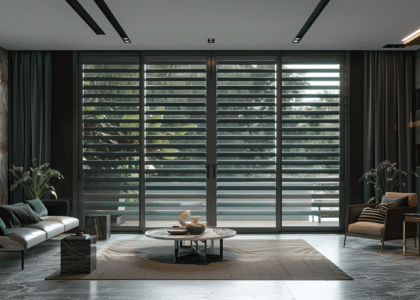
When it comes to furnishing a condo, space isn’t the only thing that’s limited—so are your options for window treatments. Condo blinds need to do more than just cover windows. They need to manage light, preserve privacy, fit smaller or non-standard window frames, and look sharp in a compact living space. That’s why choosing the right condo blinds—both the fit and the material—matters more than you think.
If you’ve ever installed off-the-shelf blinds only to realize they let in too much light, don’t block heat, or don’t fit your window depth, you’re not alone. Condo living comes with unique challenges that regular blinds often don’t address.
Here’s what you need to know before you buy.
Why Condo Blinds Fit and Material Matter in Small Spaces
Condos come with limitations that detached homes don’t. Whether you’re living in a newer high-rise or a mid-century unit, there are some common traits:
- Large floor-to-ceiling windows or oddly sized windows
- Minimal wall space around windows for mounting
- Strict condo board or building management rules
- Smaller rooms where design and function need to work together
- Close proximity to neighbors—privacy is a big deal
That’s why condo blinds aren’t one-size-fits-all. You’ll want something tailored to your window type, lifestyle, and the look you want to create.
How to Measure Condo Blinds for the Right Fit and Material Match
Getting the right fit starts with measuring—accurately. Most condos have windows with unique depths and trims, which makes exact measurements essential.
Condo Blind Mounting: How Fit Impacts the Look
Inside mount blinds sit within the window frame. These give a cleaner, minimalist look and are best if you want to highlight your window trim.
Outside mount blinds go above the window frame and can make windows look bigger. They’re also useful when the window depth isn’t enough to accommodate certain types of blinds.
Key Measurements to Take:
- Width (top, middle, bottom of the window)
- Height (left, center, right)
- Window depth (important for inside mounts)
If you’re going custom, professional installers will take these measurements for you, ensuring a snug, tailored fit.
Condo Blinds Fit and Material: Pros and Cons of Each Option
The material of your blinds affects everything from how they filter light to how easy they are to clean. In condos, materials also impact insulation and sound absorption—important in tight urban settings.
1. Faux Wood Blinds
- Pros: Moisture-resistant, durable, affordable
- Cons: Heavier than real wood, limited colors
- Best for: Living rooms, bedrooms, bathrooms
2. Real Wood Blinds
- Pros: Natural look, lightweight, classic
- Cons: Can warp in humid conditions, higher cost
- Best for: Bedrooms, dining areas, home offices
3. Aluminum Mini Blinds
- Pros: Budget-friendly, easy to clean, slim profile
- Cons: Can bend easily, less insulating
- Best for: Rental units, secondary rooms
4. Fabric Blinds / Roman Shades
- Pros: Softens the look, sound-absorbing, wide fabric options
- Cons: Requires cleaning, may fade with direct sunlight
- Best for: Bedrooms, living areas with soft décor
5. Solar Shades
- Pros: UV protection, maintains view, reduces glare
- Cons: Less privacy at night, limited blackout capability
- Best for: South-facing condos, high-rise units
6. Blackout Roller Shades
- Pros: Total darkness, clean look, space-saving
- Cons: No light filtering option, can look stark
- Best for: Bedrooms, media rooms, night shift workers
Privacy vs Light: Finding the Right Balance in a Condo
Unlike a detached house, condo windows often face other units. That makes privacy a real concern—but so is getting enough light in a smaller space. If privacy is high on your list, check out our guide to the best condo blinds for privacy and style for room-by-room recommendations.
Solutions That Balance Privacy and Light:
- Top-down bottom-up shades: Let you lower the top for light while keeping the bottom closed for privacy
- Dual roller blinds: Combine sheer and blackout in one unit
- Sheer shades: Soften light but maintain outside view
When planning your window coverings, think about each room’s purpose. Your living room may benefit from filtered light, while your bedroom needs full darkness at night.
Custom vs Ready-Made Condo Blinds: Fit and Material Differences
This decision affects not only fit but also finish and performance.
Ready-Made Blinds:
- Pros: Cheaper, quick to buy
- Cons: Limited sizing, color, and mounting options
- Fit: Often approximate—may leave gaps
Custom Condo Blinds:
- Pros: Exact sizing, wider material and color choices, professional installation
- Cons: Higher upfront cost, longer lead time
- Fit: Tailored to your window frame and depth, no gaps or awkward overhangs
Not sure if you should go custom or stick with off-the-shelf? We break it down in Condo Blinds vs Custom Curtains: What to Choose based on function, design, and budget.
Best Condo Blinds Fit and Material by Room Type
Every room has different needs. Here’s what works best where:
| Room | Recommended Blinds | Why It Works |
|---|---|---|
| Living Room | Solar Shades, Faux Wood | Filters light, easy to clean |
| Bedroom | Blackout Shades, Roman | Ensures darkness and noise control |
| Kitchen | Faux Wood, Aluminum | Moisture-resistant, simple to maintain |
| Home Office | Light Filtering Shades | Reduces glare without darkening the space |
| Bathroom | Faux Wood, Vinyl Blinds | Humidity-resistant, privacy-focused |

Design Tips: How to Choose Condo Blinds That Match Your Aesthetic
Yes, condo blinds should function well. But they should also look good—and complement your space.
Here’s how to make that happen:
- Match tones, not just colors. If you have warm wood floors, choose blinds in a warm tone—even if they’re not the same color.
- Go neutral in tight spaces. Whites, beiges, and greys make small condos feel larger and more open.
- Use texture to soften modern interiors. Woven wood or linen-textured roller shades can offset the hard lines of modern condos.
- Keep hardware minimal. Slim brackets and concealed cords give a cleaner, high-end look.
Condo Blinds Fit and Material Mistakes to Avoid
- Ignoring window depth – Not all blinds fit inside shallow condo windows.
- Choosing style over function – That gorgeous sheer fabric may look great but offer zero privacy at night.
- Skipping blackout in bedrooms – Urban lighting is no joke. If you live downtown, invest in full blackout shades.
- Assuming one type fits all rooms – Each space has its own needs. Customize accordingly.
- DIY installation on custom units – If you’re paying for custom, don’t risk a crooked mount.
Condo Board Rules and Window Treatments
Always check your condo’s rules before making a purchase. Some buildings require uniform exterior appearances (e.g., white backing for all window treatments). If you’re in a high-rise, there might be installation restrictions as well.
A professional installer who’s worked with condo units will already know how to comply with these guidelines.
Final Thought: Condo Blinds Should Work Harder for Your Space
In a condo, every inch matters. The right condo blinds not only look great—they solve problems. Whether it’s blocking light, improving insulation, or just making the room feel finished, they’re one of the few upgrades that impact both function and design.
Zebra blinds are another smart choice for condo living. They combine sheer and solid fabric stripes, letting you easily switch between filtered light and full privacy—without bulky layers. They’re especially popular in modern condos because they give you light control and a sleek look in one unit. If you’re considering a flexible, space-saving option, zebra blinds are worth a closer look.
We Build Custom Condo Blinds with Materials That Fit Your Space
At Ava Window Fashions, we specialize in building custom condo blinds that match your windows, your style, and your life. Every order is tailored with your choice of material, fit, and finish—so you get a perfect result every time.
Get started today with a free consultation.